Emergency Fund: How Much Money You Really Need
An emergency fund is one of the most important parts of personal finance, yet it is often ignored. Many people focus on investing and saving for future goals but forget to prepare for unexpected situations. When emergencies happen, the lack of savings creates stress, debt, and financial instability.
An emergency fund is money set aside only for emergencies. It acts as a financial safety net during difficult times. This article explains what an emergency fund is, how much money you really need, and how to build it step by step.
If you want financial peace of mind and protection from sudden expenses, understanding emergency funds is essential.
Understanding What an Emergency Fund Is
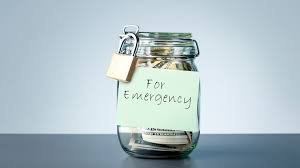
An emergency fund is a reserve of money kept specifically for unexpected expenses. These expenses may include medical emergencies, job loss, urgent home repairs, or sudden travel needs.
This fund is not meant for planned spending like vacations or shopping. It is designed only for situations that are urgent and unavoidable.
An emergency fund protects you from using credit cards, loans, or selling investments during difficult times.
Why an Emergency Fund Is Important
Life is unpredictable. Even with good planning, emergencies can happen at any time. Without an emergency fund, people are forced to borrow money or break long-term savings.
An emergency fund reduces financial stress. It gives you confidence to handle problems calmly. It also protects your investments by allowing them to grow without interruption.
Having an emergency fund is a sign of strong financial discipline and responsibility.
How Much Emergency Fund You Really Need
The ideal emergency fund should cover three to six months of essential expenses. Essential expenses include rent, food, utilities, transportation, and basic medical needs.
If your job is stable and income is regular, three months of expenses may be enough. If your income is unstable or you are self-employed, six months or more is safer.
The amount depends on your lifestyle, responsibilities, and risk level. There is no one-size-fits-all number.
Calculating Your Monthly Essential Expenses
To calculate your emergency fund, first find your monthly essential expenses. List all expenses that are necessary for survival.
Exclude lifestyle expenses like shopping, entertainment, and luxury items. Focus only on what you must pay even during a financial crisis.
Multiply your monthly essential expenses by the number of months you want to cover. This gives you your emergency fund target.
Where to Keep Your Emergency Fund
An emergency fund should be easily accessible. It should not be locked in long-term investments.
Savings accounts, liquid funds, or short-term deposits are good options. The goal is safety and quick access, not high returns.
Avoid investing emergency funds in risky assets, as you may need the money during market downturns.
How to Build an Emergency Fund Step by Step
Building an emergency fund may seem difficult, especially if you are starting from zero. The key is to start small and stay consistent.
Set a monthly saving amount and treat it like a fixed expense. Automate the transfer if possible. Even small contributions add up over time.
Increase the saving amount whenever your income increases or expenses decrease.
How Long It Takes to Build an Emergency Fund
The time required depends on your income and saving capacity. Some people may take six months, while others may take two years.
The important thing is progress, not speed. Regular saving is more important than saving large amounts occasionally.
Once you reach your emergency fund goal, maintain it by replenishing any amount used.
When to Use Your Emergency Fund
An emergency fund should only be used for true emergencies. Medical emergencies, job loss, urgent repairs, and family emergencies qualify.
Avoid using it for planned expenses or impulse purchases. Misusing the emergency fund defeats its purpose.
If you use the fund, make it a priority to rebuild it as soon as possible.
Emergency Fund vs Savings and Investments
An emergency fund is different from regular savings and investments. Savings may be for planned goals, while investments are for growth.
An emergency fund is for protection. It should be kept separate from other financial accounts.
Keeping this separation helps maintain discipline and clarity.
Common Mistakes People Make With Emergency Funds
One common mistake is not starting at all. Waiting for the perfect time delays financial safety.
Another mistake is investing emergency funds for higher returns. This exposes the money to risk.
Using the fund for non-emergencies is also a frequent mistake that weakens financial security.
Adjusting Your Emergency Fund Over Time
Your emergency fund needs may change as your life changes. Marriage, children, job changes, or lifestyle upgrades increase expenses.
Review your emergency fund annually and adjust the amount if needed. Keeping it updated ensures continued protection.
Financial planning is an ongoing process, not a one-time task.
Emotional Benefits of an Emergency Fund
Beyond financial safety, an emergency fund provides emotional peace. Knowing you can handle emergencies reduces anxiety.
It gives you confidence to make better life decisions, such as changing jobs or handling unexpected challenges.
This emotional stability is one of the biggest benefits of having an emergency fund.
Final Thoughts on Emergency Funds
An emergency fund is the foundation of a strong financial life. It protects you from debt, stress, and financial chaos.
Knowing how much money you really need and building it step by step creates security and confidence.
Start today, save consistently, and protect your future. An emergency fund is not optional. It is essential.