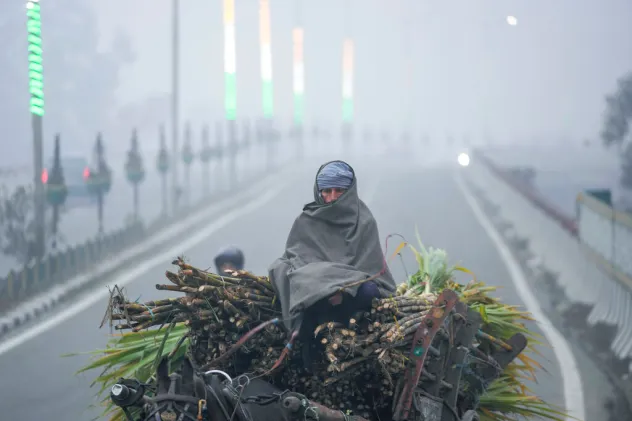
As winter tightens its grip across North India, the India Meteorological Department (IMD) has issued warnings of a cold wave accompanied by dense fog in several states, including Punjab, Haryana, Delhi, Uttar Pradesh, and parts of Rajasthan. Temperatures have been plunging below normal, creating challenging conditions for residents, commuters, and authorities alike.
This winter spell is not just about the chill in the air; it has significant implications for health, travel, agriculture, and daily life. In this blog, we explore the details of the cold wave, the dangers posed by dense fog, government precautions, and tips for citizens to stay safe and healthy during this extreme weather.
What the IMD Says: Cold Wave and Fog Alerts
The IMD has highlighted that several North Indian states are experiencing a sharp drop in temperatures, with night lows dipping significantly below seasonal averages. Alongside this, dense fog is reducing visibility on roads, railways, and airports, increasing the risk of accidents and delays.
Regions Affected
-
Punjab: Temperature lows and early morning fog in most districts
-
Haryana: Cold winds and dense fog, especially in rural areas
-
Delhi NCR: Chilly mornings with thick fog affecting visibility on highways
-
Uttar Pradesh: Fog disrupting early morning traffic and agriculture work
-
Rajasthan (northern districts): Cold wave and occasional frost conditions
IMD warnings categorize these conditions as “severe” in certain pockets, emphasizing the need for vigilance.
Understanding Cold Waves
A cold wave is declared when temperatures fall sharply below the normal range for a region. It can lead to serious health risks, including hypothermia, frostbite, and worsening of respiratory conditions. North India’s cold wave is intensified by:
-
Clear skies at night causing rapid heat loss
-
Western disturbances bringing cold winds from the Himalayas
-
Urban-rural temperature variations causing sudden chill in open areas
For daily life, this means people need to dress in layers, avoid prolonged exposure, and take care of the elderly and children, who are more vulnerable to extreme cold.
Dense Fog: A Hidden Danger
While cold is visible in the air, dense fog poses less obvious but serious hazards:
1. Reduced Visibility
Fog can reduce visibility to less than 50 meters, making driving, flying, and commuting extremely risky.
2. Road Accidents
North India sees a spike in highway and city road accidents during foggy mornings. Many collisions are attributed to poor visibility and overspeeding.
3. Rail and Air Travel Delays
Dense fog often forces train delays and airport cancellations, affecting both domestic and international travelers.
4. Health Impacts
Cold, damp fog can aggravate respiratory problems, such as asthma, bronchitis, and flu, particularly among the elderly and children.
Government and Authority Measures
Authorities in North India are taking multiple steps to mitigate the effects of the cold wave and dense fog:
1. Traffic and Road Safety
-
Deployment of extra traffic personnel on highways
-
Use of fog lights and reflectors
-
Advisories for motorists to reduce speed
2. Rail and Air Travel Coordination
-
Railways introducing fog-safe measures on routes prone to delays
-
Airports issuing weather alerts and rescheduling flights if needed
3. Health and Public Safety
-
Opening warm shelters in major cities
-
Running awareness campaigns on cold-related illnesses
-
Hospitals preparing for increased cases of hypothermia and flu
4. Agriculture Support
-
Farmers advised to protect crops from frost
-
Measures to safeguard livestock from extreme cold
Tips for Citizens to Stay Safe
Given the severe cold and fog, IMD and health experts recommend several precautions:
Clothing and Health
-
Wear layered, warm clothing including woolens, gloves, and mufflers
-
Cover exposed body parts to prevent frostbite
-
Consume warm fluids and nutritious food to boost immunity
Travel Safety
-
Avoid driving in thick fog; if necessary, drive slowly with fog lights on
-
Maintain safe distances on roads and use reflective clothing if walking at night
-
Check flight and train status before starting journeys
Home Safety
-
Use safe heating devices to avoid carbon monoxide poisoning
-
Ensure proper insulation of homes, especially for infants and elderly
Community Awareness
-
Neighbors can check on vulnerable people
-
Share IMD updates via social media or local announcements
Impact on Daily Life and Economy
1. Transportation
-
Dense fog leads to road, rail, and air delays, affecting commuters and logistics
-
School authorities sometimes delay or cancel classes for safety
2. Agriculture
-
Cold wave and frost can damage crops such as wheat, vegetables, and fruits
-
Farmers must cover plants and keep livestock in warm shelters
3. Health Sector
-
Hospitals see increased patient load due to respiratory infections, flu, and cold-related ailments
4. Energy Demand
-
Heating demand rises, putting pressure on electricity grids and gas supplies
Why North India Experiences Harsh Winters
North India’s geography contributes to extreme winter conditions:
-
Proximity to the Himalayas allows cold winds to sweep down plains
-
Western disturbances bring moisture and drop temperatures
-
Fog often forms due to temperature inversion, trapping pollutants and moisture near the surface
These natural factors, combined with dense population centers, make cold waves and fog a significant annual challenge.
The Role of Technology and Weather Forecasting
IMD has improved its forecasting accuracy using:
-
Satellite imagery
-
Doppler radar
-
Real-time temperature and humidity monitoring
-
AI models to predict cold wave intensity
Advanced warning allows authorities, transport agencies, and citizens to prepare, minimizing risks.
Looking Ahead: How Long Will the Cold Wave Last?
According to IMD, the current cold wave in North India is expected to persist for the next few days, with temperatures gradually rising toward the end of the week. Dense fog may continue, especially in early mornings and late evenings. Citizens are advised to monitor daily weather updates and take necessary precautions.
Conclusion
North India is facing one of the harsher winter spells in recent years, with cold wave conditions combined with dense fog. While nature has its own rhythm, proactive measures by the government, security forces, health departments, and citizens can greatly reduce the adverse impact of extreme weather.
Staying informed, taking safety precautions, and helping vulnerable communities are key to navigating this cold season safely. The IMD’s timely alerts are not just warnings—they are tools to help protect lives, property, and livelihoods across the northern states.
As winter continues, citizens are encouraged to remain vigilant, prioritize health and safety, and respect the power of nature. With collective awareness and preparedness, North India can face the cold wave and dense fog with confidence.