India’s Role in Global Politics and Trade: Relations with US, China, and the Middle East

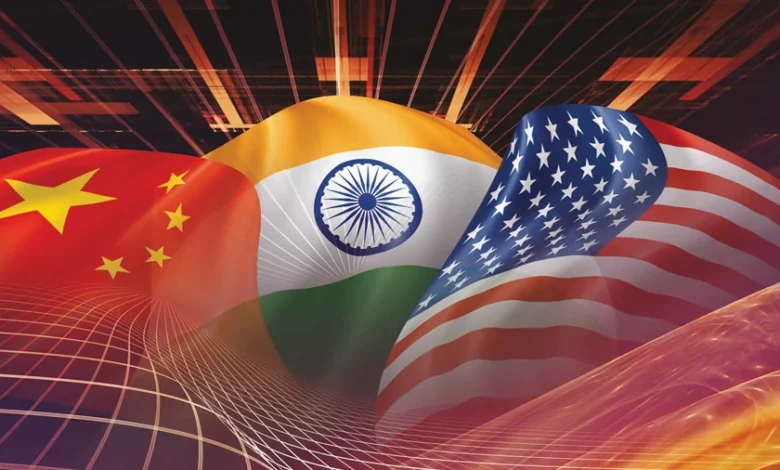
India’s position in global politics and trade has changed significantly over the past decade. In 2025, India is no longer seen only as a developing economy or a regional power. It is now viewed as an important global player whose decisions influence international trade, diplomacy, security, and economic stability.
India’s relationships with major regions such as the United States, China, and the Middle East are central to this growing influence. Each relationship is different, shaped by trade interests, geopolitical concerns, energy needs, and strategic partnerships.
This blog explains how India manages these key global relationships and what they mean for India’s future role in world politics and trade.
India’s Growing Importance on the Global Stage
India’s global influence is driven by several factors. It has one of the world’s largest populations, a fast-growing economy, a strong military, and a large consumer market. India is also a major voice for developing nations and often acts as a bridge between the Global South and developed countries.
India participates actively in global forums such as the G20 and BRICS, where it promotes cooperation, fair trade, and inclusive growth.
This balanced and independent foreign policy allows India to maintain relationships with multiple global powers without being tied to any single bloc.
India–United States Relations: Strategic and Economic Partnership
India’s relationship with the United States has strengthened significantly in recent years. The partnership is built on shared democratic values, economic cooperation, technology exchange, and security interests.
Trade and Economic Ties
The United States is one of India’s largest trading partners. Trade between the two countries includes technology services, pharmaceuticals, defence equipment, energy products, and manufactured goods.
Indian IT companies and professionals play a major role in the US economy, while American companies invest heavily in India’s technology, manufacturing, and startup sectors.
This economic relationship supports job creation, innovation, and long-term growth in both countries.
Strategic and Defence Cooperation
India and the US also cooperate closely on defence and security. Joint military exercises, defence technology sharing, and intelligence cooperation have increased trust between the two nations.
This partnership is especially important in maintaining stability in the Indo-Pacific region. India’s growing role as a security partner strengthens its global standing.
Technology and Innovation
Technology cooperation is another strong pillar of India–US relations. Collaboration in areas such as semiconductors, artificial intelligence, space, and clean energy is shaping future industries.
This partnership helps India access advanced technology while offering the US a strong and reliable partner in Asia.
India–China Relations: Cooperation and Competition
India’s relationship with China is complex. It includes economic cooperation, trade dependence, and geopolitical competition.
Trade Relationship
China is one of India’s largest trading partners. India imports electronics, machinery, chemicals, and industrial components from China, while exporting raw materials and selected manufactured goods.
However, this trade relationship is unbalanced, with India importing much more than it exports. Reducing this trade gap has become a major policy focus for India.
Border and Strategic Tensions
Political and military tensions between India and China affect their overall relationship. Border disputes and regional competition create strategic challenges.
India has responded by strengthening its defence capabilities, increasing border infrastructure, and building partnerships with other countries to balance regional power.
Economic Diversification
To reduce dependence on China, India is promoting domestic manufacturing and attracting global companies looking to diversify supply chains.
This strategy helps India strengthen its economy while maintaining necessary economic engagement with China.
India and the Middle East: Energy, Trade, and People-to-People Ties
The Middle East plays a crucial role in India’s foreign policy due to energy security, trade, and the presence of a large Indian workforce.
India maintains strong relations with countries across the region, including the United Arab Emirates, Saudi Arabia, and others.
Energy Security
The Middle East is a major source of oil and gas for India. Stable energy imports are essential for India’s economic growth.
India works closely with Middle Eastern countries to ensure reliable energy supplies while also exploring renewable energy and alternative fuels.
Trade and Investment
Trade between India and the Middle East has grown rapidly. India exports food products, machinery, textiles, and services, while importing energy resources.
Countries like the UAE have become major investors in India’s infrastructure, ports, logistics, and renewable energy sectors.
Indian Diaspora and Cultural Ties
Millions of Indians live and work in Middle Eastern countries. They contribute to local economies and send remittances back to India, supporting millions of families.
These people-to-people ties strengthen diplomatic relations and cultural understanding.
India’s Balanced Foreign Policy Approach
One of India’s biggest strengths is its balanced foreign policy. India engages with the US, China, Europe, Russia, and the Middle East without aligning fully with any one power.
This strategic autonomy allows India to protect its national interests while contributing to global stability.
India supports dialogue, cooperation, and peaceful resolution of conflicts. It often takes independent positions based on national priorities rather than external pressure.
India’s Role in Global Trade
India is positioning itself as a reliable global manufacturing and trade partner. Government initiatives encourage exports, manufacturing growth, and foreign investment.
Free trade agreements and economic partnerships help Indian businesses access global markets.
India’s growing domestic market also attracts international companies looking for long-term growth opportunities.
Supply Chain Shifts and Global Opportunity
Global companies are rethinking supply chains to reduce risk and dependence on single countries. India is benefiting from this shift.
With a skilled workforce, improving infrastructure, and large consumer base, India is becoming an attractive alternative manufacturing hub.
This strengthens India’s role in global trade and industrial development.
India as a Voice of the Global South
India plays an important role in representing the interests of developing countries. It advocates for fair trade rules, climate finance, and inclusive growth.
India’s leadership in global forums highlights issues faced by emerging economies and promotes cooperation rather than confrontation.
This role enhances India’s moral and diplomatic influence.
Challenges in Global Engagement
Despite growing influence, India faces challenges. Managing relations with competing global powers requires careful diplomacy.
Trade protectionism, geopolitical conflicts, and global economic uncertainty can affect India’s interests.
Balancing domestic priorities with global responsibilities is an ongoing task.
What This Means for India’s Future
India’s strong global relationships support economic growth, job creation, and technological advancement.
Trade partnerships open new markets for Indian businesses. Strategic cooperation improves national security. Energy partnerships support economic stability.
India’s global role directly affects opportunities at home.
Conclusion: India as a Confident Global Player
India’s role in global politics and trade has grown significantly. Strong relations with the United States support technology and security. Careful engagement with China balances competition and cooperation. Deep ties with the Middle East ensure energy security and economic partnership.
In 2025, India stands as a confident, independent, and influential global power. Its balanced approach allows it to work with multiple regions while protecting national interests.
As global challenges grow more complex, India’s voice and leadership will continue to shape international politics and trade—making it one of the most important countries in the world today.