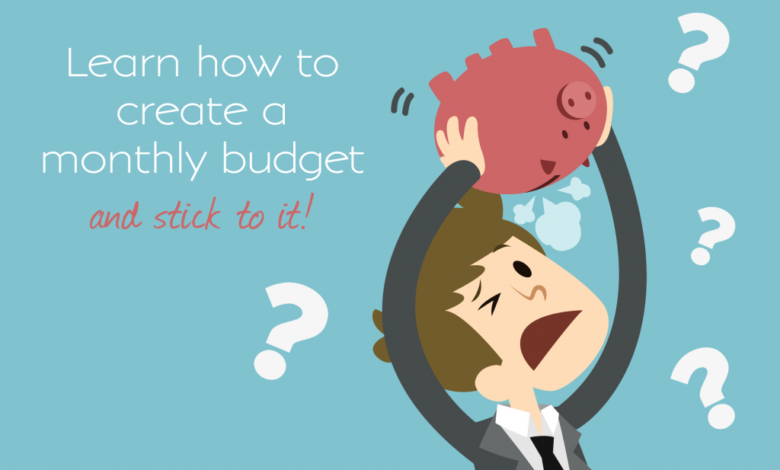
Creating a monthly budget is one of the smartest financial habits anyone can develop. Many people earn enough money but still struggle to save. The reason is simple. There is no clear plan for spending and saving. A monthly budget helps you control your money instead of wondering where it disappeared.
A budget does not mean you stop enjoying life. It means you spend with purpose. When you know where your money goes, you can save more without feeling stressed. Budgeting is not only for people with low income. It is useful for everyone who wants financial stability.
This guide explains how to create a monthly budget in a simple and practical way. If you want to save more money and feel confident about your finances, this article will help you step by step.
Understanding What a Monthly Budget Really Is
A monthly budget is a plan that shows how you will use your income in a month. It includes expenses, savings, and personal spending. A good budget gives every rupee or dollar a job.
Many beginners think budgeting is complicated. In reality, it is very simple. You only need to know how much you earn and how much you spend. Once you have this clarity, budgeting becomes easy.
A budget is flexible. It can be adjusted as your income or lifestyle changes. The purpose is progress, not perfection.
Why Monthly Budgeting Is Important
Monthly budgeting helps you avoid overspending. It keeps you away from unnecessary debt and financial stress. When you follow a budget, you stop making impulsive spending decisions.
Budgeting also helps you save consistently. Even small savings become meaningful when done regularly. Over time, budgeting builds discipline and confidence.
A monthly budget prepares you for future goals. Whether it is travel, buying a house, or retirement, budgeting makes goals achievable.
Knowing Your Monthly Income Clearly
The first step to creating a monthly budget is knowing your actual income. This means the money that comes into your bank account after all deductions.
Include all sources of income such as salary, freelance work, side income, or bonuses if they are regular. Do not include uncertain or occasional income while planning.
When you budget based on real income, you avoid disappointment and overspending. This makes your budget realistic and effective.
Listing All Monthly Expenses
The next step is listing all your monthly expenses. This includes fixed expenses and variable expenses.
Fixed expenses are costs that stay mostly the same every month, such as rent, loan payments, and subscriptions. Variable expenses include food, travel, shopping, and entertainment.
Be honest while listing expenses. Missing small expenses can break your budget. Every expense matters when you want to save more money.
Categorizing Expenses for Better Control
Once expenses are listed, categorize them into needs and wants. Needs are expenses you cannot avoid, such as housing, food, utilities, and basic transport.
Wants are expenses related to lifestyle and comfort, such as dining out, shopping, and entertainment. This categorization helps you see where adjustments are possible.
Cutting expenses does not mean removing all wants. It means controlling them wisely.
Creating a Simple Budget Structure
A simple budget works better than a complicated one. Divide your income into three parts. One part for essential needs. One part for savings. One part for personal spending.
The exact percentages can vary based on income and responsibilities. What matters is that saving becomes a fixed part of your budget, not an afterthought.
This structure keeps your finances balanced and manageable.
Making Saving a Priority
Saving should come first in your monthly budget. Many people try to save whatever is left at the end of the month. This approach usually fails.
Decide a fixed amount or percentage to save every month. Move this money to a savings account as soon as you receive your income.
When saving becomes automatic, you do not feel the urge to spend that money. This habit helps you save more without stress.
Using Budgeting Tools and Methods
Budgeting can be done using a notebook, spreadsheet, or mobile app. The tool does not matter as much as consistency.
Choose a method that feels comfortable. Some people like writing things down, while others prefer digital tools. The best budget is the one you actually use.
Review your budget at least once a month. This helps you track progress and make improvements.
Controlling Overspending Habits
Overspending is the biggest enemy of saving money. It often happens due to impulse buying or emotional spending.
Before making a purchase, pause and ask yourself if it is truly needed. Small pauses prevent many unnecessary expenses.
Tracking spending regularly makes you more aware and reduces overspending naturally.
Adjusting Your Budget When Needed
A budget is not fixed forever. Life changes, and so should your budget. Income may increase or decrease. Expenses may change.
If your budget feels too strict, adjust it. If you are saving too little, find areas to improve. Flexibility keeps budgeting sustainable.
The goal is progress, not frustration.
Building an Emergency Buffer Through Budgeting
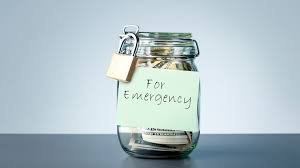
A good monthly budget helps you build an emergency fund. Emergencies can happen anytime, and without savings, they cause financial trouble.
Use your budget to slowly build an emergency buffer. Even small monthly contributions make a big difference over time.
An emergency fund gives peace of mind and protects your budget from sudden shocks.
Common Budgeting Mistakes to Avoid
One common mistake is creating an unrealistic budget. Setting impossible limits leads to failure. Another mistake is not tracking actual spending.
Ignoring small expenses can also break your budget. Overconfidence after a few good months is another issue.
Learning from mistakes and improving your budget makes it stronger.
Staying Consistent With Your Budget
Consistency is more important than accuracy. You do not need a perfect budget. You need a budget you follow.
Review your budget monthly. Celebrate small wins like saving consistently or reducing unnecessary expenses.
Over time, budgeting becomes a habit and part of your lifestyle.
Final Thoughts on Monthly Budgeting and Saving
Creating a monthly budget is the foundation of financial success. It helps you control spending, increase savings, and reduce stress.
Saving more money does not always require earning more. It requires planning better. A simple monthly budget can transform your financial life.
Start small, stay consistent, and improve gradually. Your future self will thank you.